
Introduction
10-inch lag bolts are heavy-duty fasteners characterized by a large diameter shank and a threaded section typically occupying approximately one-third to one-half of the bolt’s length. Primarily utilized in wood construction, these fasteners provide superior holding power compared to conventional screws or bolts in applications requiring significant shear and tensile strength. Positioned within the fastening industry chain as a critical component for structural connections, 10-inch lag bolts facilitate the secure assembly of timber-framed structures, heavy equipment mounting, and robust connection points where vibration and dynamic loads are prevalent. Their core performance characteristics revolve around their pull-out resistance, shear strength, and ability to withstand cyclical loading, making them essential in industries like construction, marine engineering, and heavy machinery assembly. A primary industry pain point revolves around ensuring consistent thread engagement depth and preventing wood splitting, necessitating precise pre-drilling and appropriate washer selection.
Material Science & Manufacturing
The standard material for 10-inch lag bolts is medium carbon steel, typically AISI 1045 or equivalent, offering a balance of strength and ductility. The steel undergoes a heat treatment process involving hardening and tempering to achieve the desired mechanical properties. Raw material composition necessitates precise control of carbon content (0.45-0.55%), manganese (0.60-0.90%), silicon (0.05-0.30%), and phosphorus/sulfur limits (<0.04% each) to optimize hardenability and toughness. Manufacturing begins with hot forging of the steel billet to form the bolt's basic shape. This is followed by a cold heading process to create the head geometry. Critical parameters during forging include die temperature (800-900°C) and forging pressure (50-150 MPa) to ensure grain flow alignment along the bolt’s length, maximizing tensile strength. The threaded portion is generated through a thread-rolling process, using hardened dies to impart the desired thread form (typically coarse threads – UNC). Surface treatments such as zinc plating or hot-dip galvanization are applied to enhance corrosion resistance. Quality control includes dimensional inspection using coordinate measuring machines (CMM), hardness testing (Rockwell C scale), and tensile strength testing per ASTM A307 standards. Improper heat treatment can lead to brittle fractures, while inadequate surface treatment compromises long-term durability.
Performance & Engineering
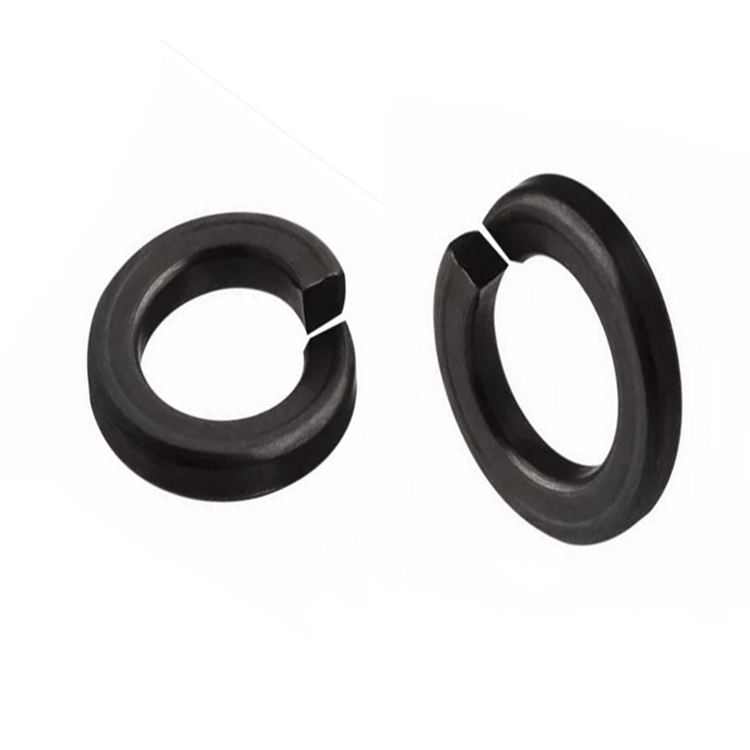
The performance of 10-inch lag bolts hinges on several critical engineering factors. Force analysis requires consideration of tensile load (pull-out strength), shear load (lateral force resistance), and bending moment (resistance to angular deformation). Pull-out strength is directly proportional to the thread engagement depth within the wood substrate and the wood's density. Shear strength is primarily governed by the bolt's shank diameter and material strength. Environmental resistance is a significant concern; prolonged exposure to moisture and corrosive environments can initiate corrosion, weakening the bolt and compromising structural integrity. Relevant compliance requirements include adherence to building codes (IBC, UBC), timber design standards (NDS – National Design Specification for Wood Construction), and fastener specifications (ASTM A307, ANSI/ASME B18.3). For marine applications, stainless steel (316 or 304 grade) lag bolts are recommended due to their superior corrosion resistance. Proper installation is paramount; under-tightening can reduce clamping force, while over-tightening can strip the threads or fracture the bolt. Pre-drilling diameter must be carefully calculated to ensure adequate thread engagement without causing wood splitting. The use of appropriately sized washers distributes the load and prevents crushing the wood fibers, enhancing the overall connection strength.
Technical Specifications
| Parameter | Specification | Testing Standard | Typical Application Range |
|---|---|---|---|
| Nominal Length | 10 inches (254 mm) | ASTM F436 | Timber Frame Construction, Heavy Equipment Mounting |
| Diameter | ½ inch (12.7 mm) to ¾ inch (19.05 mm) | ANSI/ASME B18.3 | Varies based on load requirements |
| Material | Medium Carbon Steel (AISI 1045 equivalent) or Stainless Steel (304/316) | ASTM A307 / ASTM A970 | Indoor/Outdoor, Corrosive Environments |
| Thread Type | Coarse (UNC) | ANSI/ASME B1.1 | Optimized for wood engagement |
| Minimum Tensile Strength | 85,000 PSI (586 MPa) | ASTM A307 | Structural Connections |
| Coating | Zinc Plating, Hot-Dip Galvanization, or None (Stainless Steel) | ASTM B633 / ASTM A123 | Corrosion Protection |
Failure Mode & Maintenance
Common failure modes for 10-inch lag bolts include thread stripping within the wood, shear failure of the bolt shank, tensile failure due to excessive load, and corrosion-induced weakening. Thread stripping occurs when the wood fibers surrounding the threads are unable to withstand the rotational force, particularly during tightening or under cyclical loading. Shear failure is prevalent in applications involving high lateral forces. Tensile failure results from exceeding the bolt’s ultimate tensile strength. Corrosion, particularly in untreated carbon steel bolts, leads to gradual material degradation, reducing the bolt’s load-bearing capacity. Failure analysis often reveals a combination of factors contributing to the ultimate failure. Preventative maintenance involves periodic inspection for signs of corrosion, thread damage, or wood decay around the bolt. Tightening bolts periodically can help maintain clamping force. For corroded bolts, replacement is recommended. If thread stripping is observed, using a larger diameter bolt or applying epoxy resin to the stripped threads can provide a temporary solution, but a complete replacement is the preferred approach. Proper lubrication during installation can reduce friction and prevent galling of the threads. Avoiding over-tightening and ensuring adequate thread engagement are critical for long-term reliability.
Industry FAQ
Q: What is the recommended pre-drill hole size for a 10-inch lag bolt in pine wood?
A: The recommended pre-drill hole size is typically 75-80% of the bolt's shank diameter. For a ½ inch lag bolt, a 9/32 inch or 5/16 inch drill bit is generally recommended. For a ¾ inch lag bolt, a 5/8 inch drill bit is appropriate. Accurate sizing minimizes wood splitting while ensuring sufficient thread engagement.
Q: How does the wood species affect the pull-out strength of a 10-inch lag bolt?
A: Wood species significantly impacts pull-out strength. Denser hardwoods (e.g., oak, maple) provide substantially greater pull-out resistance compared to softer woods (e.g., pine, fir). The NDS provides design values for various wood species and bolt configurations.
Q: What is the benefit of using a washer with a 10-inch lag bolt?
A: Washers distribute the clamping force over a wider area, preventing crushing of the wood fibers and increasing the bolt's load-bearing capacity. They also protect the wood surface and provide a smoother bearing surface for the bolt head.
Q: Can 10-inch lag bolts be reused after being removed?
A: Reusing lag bolts is generally not recommended. Removal can damage the threads, and corrosion may have occurred during service. Using a new bolt ensures optimal strength and reliability. If reuse is unavoidable, thoroughly inspect the threads for damage and consider replacing the nut and washer.
Q: What corrosion protection options are available for 10-inch lag bolts used in coastal environments?
A: For coastal environments, stainless steel (316 grade) lag bolts are highly recommended. Alternatively, hot-dip galvanization provides excellent corrosion protection for carbon steel bolts. Periodic application of a corrosion inhibitor can also extend the service life of galvanized bolts.
Conclusion
10-inch lag bolts represent a critical fastening solution in various structural applications, particularly within the wood construction and heavy equipment mounting sectors. Their performance is deeply rooted in material science – specifically the properties of medium carbon steel and the effectiveness of heat treatment – and manufacturing precision, notably in forging and thread rolling processes. Understanding the interplay between tensile and shear forces, coupled with environmental factors like corrosion, is essential for ensuring long-term structural integrity.
Proper specification, installation, and maintenance are paramount to mitigating common failure modes such as thread stripping and shear failure. Adherence to relevant industry standards (ASTM, ANSI, NDS) is crucial for guaranteeing safety and reliability. Selecting the appropriate material grade – carbon steel with protective coatings or stainless steel – based on the service environment will maximize the bolt’s longevity and minimize the risk of premature failure, thus ensuring durable and secure connections.