
Introduction
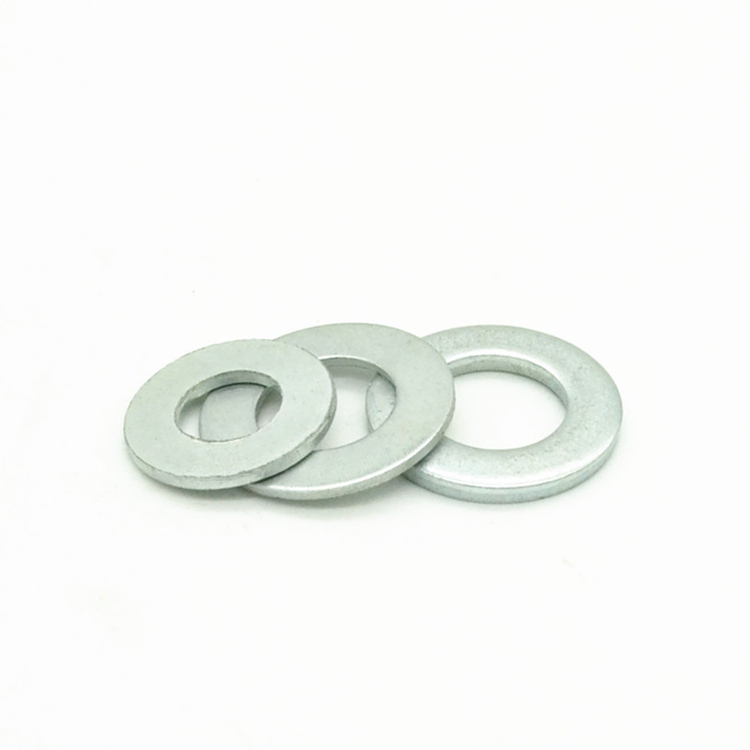
10.9 bolts represent a high-strength fastener crucial across numerous engineering disciplines. Classified under the ISO 898-1 standard, a 10.9 bolt achieves its strength through a specific alloy steel composition and a precise heat treatment process. Positioned within the industry chain, these bolts bridge the gap between structural components, enabling secure and reliable assemblies in applications ranging from automotive manufacturing and construction to aerospace and heavy machinery. Their core performance characteristics center around tensile strength, yield strength, and resistance to fatigue, making them a preferred choice when structural integrity is paramount. Unlike lower grade bolts (e.g., 4.8 or 8.8), 10.9 bolts are designed to withstand significantly higher loads and stresses, reducing the risk of failure in critical applications. The increasing demands of modern engineering continue to drive demand for these high-performance fasteners, demanding stringent quality control and adherence to international standards.
Material Science & Manufacturing
The foundation of a 10.9 bolt’s performance lies in its material composition. Typically manufactured from medium carbon alloy steel – commonly 40CrMoS4, 35CrMo4 or equivalent – these steels contain approximately 0.35-0.45% carbon, 0.9-1.2% chromium, and 0.15-0.3% molybdenum. The chromium element contributes to increased hardenability and corrosion resistance, while molybdenum enhances toughness and creep resistance at elevated temperatures. Sulfur is added in controlled amounts to improve machinability. The manufacturing process commences with hot forging, shaping the steel into the bolt’s preliminary form. This is followed by heat treatment, a critical step involving austenitizing (heating to a specific temperature to transform the microstructure), quenching (rapid cooling to harden the steel), and tempering (reheating to a lower temperature to reduce brittleness and improve ductility). Crucially, the tempering temperature is precisely controlled to achieve the desired hardness and tensile strength. Thread rolling, a cold forming process, generates the bolt’s threads, inducing compressive residual stresses which enhance fatigue life. Quality control involves rigorous material analysis (chemical composition verification), hardness testing (Rockwell C scale), and dimensional checks to ensure conformance to ISO 898-1 specifications. Parameter control during heat treatment, particularly quenching medium and temperature gradients, is paramount to preventing distortion and achieving the desired mechanical properties.
Performance & Engineering
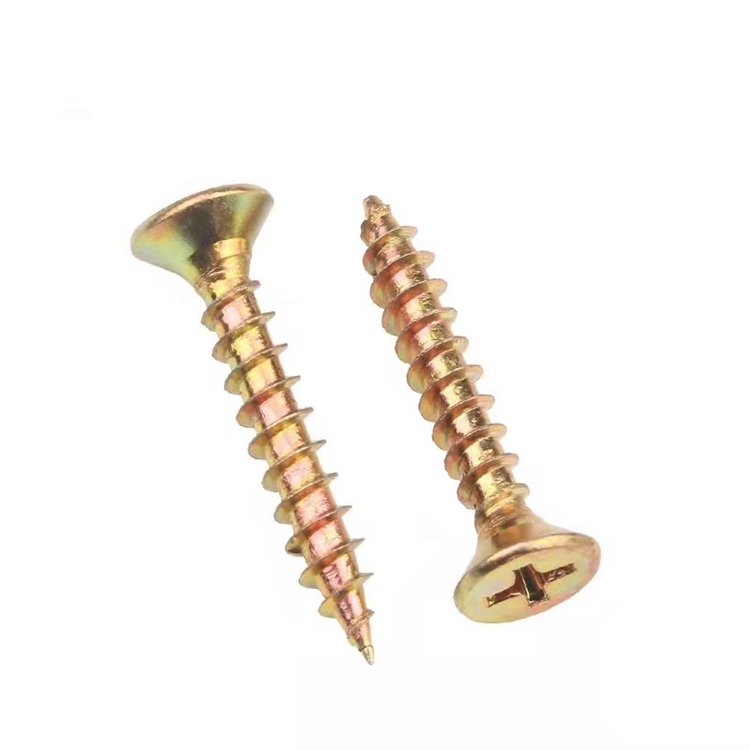
The performance of a 10.9 bolt is characterized by its mechanical properties, specifically tensile strength (typically 1000 MPa or 145 ksi), yield strength (typically 900 MPa or 130 ksi), and elongation (typically 16%). These values are determined through standardized testing procedures. Engineering calculations involving 10.9 bolts often consider shear stress, bending moment, and tensile load, accounting for factors of safety determined by the application's criticality. Finite Element Analysis (FEA) is frequently employed to model bolt behavior under complex loading conditions, predicting stress concentrations and potential failure points. Environmental resistance is a significant concern. While the alloy steel offers some corrosion protection, coatings such as zinc plating, phosphate coating, or specialized polymer coatings are often applied to enhance resistance to corrosion in aggressive environments. Compliance requirements dictate adherence to ISO 898-1, which specifies dimensional tolerances, mechanical properties, and marking requirements. Furthermore, industry-specific standards (e.g., automotive standards like IATF 16949) may impose additional requirements. Fatigue resistance is critical in applications subjected to cyclical loading. The surface finish of the bolt and the torque applied during installation significantly influence fatigue life. Proper tightening torque, determined using torque wrenches and calibrated procedures, is essential to achieve the desired clamping force without exceeding the bolt’s yield strength.
Technical Specifications
| Property | Value (Metric) | Value (Imperial) | Standard |
|---|---|---|---|
| Tensile Strength | 1000 MPa | 145 ksi | ISO 898-1 |
| Yield Strength | 900 MPa | 130 ksi | ISO 898-1 |
| Elongation at Break | 16% | 16% | ISO 898-1 |
| Hardness (Rockwell C) | 33-39 | 33-39 | ISO 898-1 |
| Material Grade | 10.9 | 10.9 | ISO 898-1 |
| Common Steel Composition | 40CrMoS4, 35CrMo4 | 40CrMoS4, 35CrMo4 | EN 10083-1 |
Failure Mode & Maintenance
10.9 bolts, despite their high strength, are susceptible to various failure modes. Fatigue cracking is a common issue in dynamically loaded applications, initiating at stress concentrators such as thread roots or underhead surfaces. Hydrogen embrittlement, induced by exposure to corrosive environments and high tensile stresses, can lead to brittle fracture. Corrosion, particularly crevice corrosion at threaded joints, weakens the bolt and reduces its load-carrying capacity. Over-tightening can exceed the bolt's yield strength, leading to plastic deformation and loss of clamping force. Under-tightening results in insufficient clamping force, potentially causing joint separation and loosening. Thread stripping, caused by excessive loads or improper installation, renders the bolt useless. Maintenance primarily focuses on preventative measures. Regular inspection of bolted joints for signs of corrosion, loosening, or damage is crucial. Periodic torque checks ensure adequate clamping force. Applying appropriate corrosion inhibitors or protective coatings extends bolt life in harsh environments. If a bolt shows signs of fatigue cracking or significant corrosion, it must be replaced immediately. Proper lubrication during installation reduces friction and prevents galling, prolonging bolt life. Avoid using excessive force during tightening, and always use calibrated torque wrenches.
Industry FAQ
Q: What is the significance of the '10.9' marking on a bolt?
A: The '10.9' marking indicates the bolt’s mechanical properties, specifically its tensile strength. It signifies that the bolt is manufactured from a high-strength alloy steel and has been heat-treated to achieve a minimum tensile strength of 1000 MPa and a minimum yield strength of 900 MPa, as defined by ISO 898-1. This marking is a crucial identifier for engineers and procurement professionals to ensure the correct grade of bolt is used for the application.
Q: How does the material composition of a 10.9 bolt contribute to its strength?
A: The alloy steel composition, typically containing chromium and molybdenum, is critical. Chromium enhances hardenability, allowing for a higher tensile strength and improved corrosion resistance. Molybdenum increases toughness and creep resistance at elevated temperatures. The controlled carbon content, combined with the heat treatment process, establishes the desired microstructure and mechanical properties.
Q: What are the risks associated with using a lower grade bolt in place of a 10.9 bolt?
A: Substituting a lower grade bolt can lead to catastrophic failure. Lower grade bolts have lower tensile and yield strengths, meaning they are unable to withstand the same loads. This can result in joint separation, structural damage, or complete system failure, particularly in critical applications like automotive chassis or aircraft structures.
Q: How important is proper torque application when installing a 10.9 bolt?
A: Proper torque application is paramount. Over-tightening can cause plastic deformation or even fracture the bolt. Under-tightening results in insufficient clamping force, leading to joint loosening and potential failure. Using a calibrated torque wrench and adhering to specified torque values is essential to achieve the optimal clamping force without compromising bolt integrity.
Q: What corrosion protection methods are commonly used with 10.9 bolts?
A: Common corrosion protection methods include zinc plating, phosphate coating, and applying specialized polymer coatings. Zinc plating provides sacrificial protection, while phosphate coating creates a conversion layer that enhances paint adhesion and provides some corrosion resistance. Polymer coatings offer a more robust barrier against corrosive environments, extending bolt life in aggressive applications.
Conclusion
The 10.9 bolt represents a sophisticated engineering component optimized for high-strength applications. Its performance is inextricably linked to its material composition, precise manufacturing processes, and stringent adherence to industry standards like ISO 898-1. Understanding the nuances of its mechanical properties, potential failure modes, and proper maintenance procedures is crucial for ensuring the reliability and safety of engineered systems.
Moving forward, advancements in materials science and surface engineering will likely lead to even more robust and corrosion-resistant 10.9 bolts. The integration of digital torque wrenches with data logging capabilities will further enhance quality control and traceability. Continued research into fatigue behavior and hydrogen embrittlement will contribute to improved bolt designs and extend service life, solidifying the 10.9 bolt's position as a cornerstone of modern engineering.