
Introduction
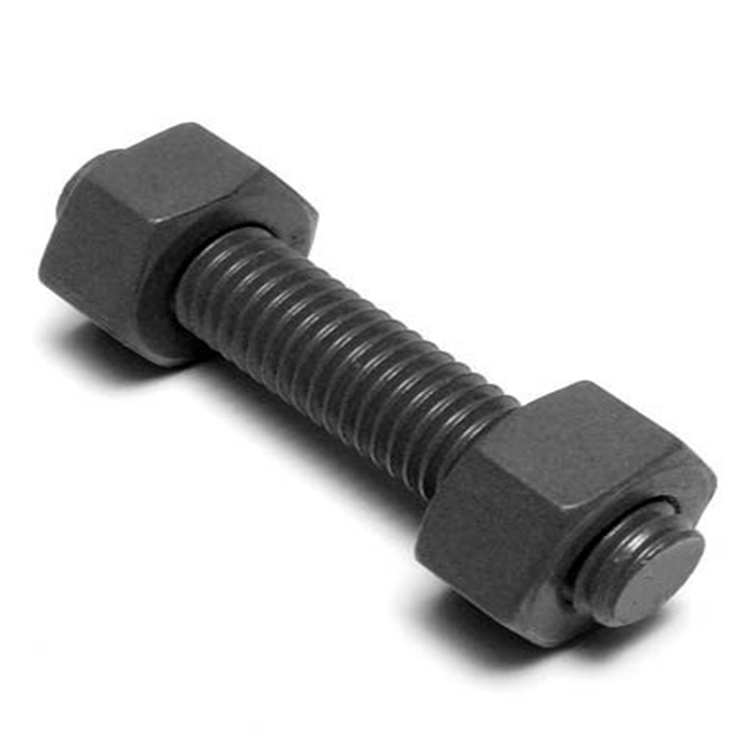
1/2 inch anchor bolts represent a critical fastening component in a wide array of construction and industrial applications. These bolts are primarily utilized to securely attach structural and non-structural elements to concrete foundations. Their prevalence stems from a balance of cost-effectiveness, adequate tensile strength for common loads, and ease of installation. Within the fastening industry chain, they serve as a crucial link between the structural member (steel, wood, equipment baseplates) and the concrete substrate, transferring loads through tension and shear. Core performance characteristics include tensile strength, shear strength, embedment depth requirements, and resistance to corrosion, all of which are heavily influenced by material composition, manufacturing processes, and applicable standards. Understanding these parameters is paramount for ensuring structural integrity and long-term durability.
Material Science & Manufacturing
The vast majority of 1/2 inch anchor bolts are manufactured from carbon steel, typically meeting ASTM A36 specifications. This steel possesses adequate ductility and strength for most applications. Higher-strength grades, such as ASTM A588, are employed in more demanding scenarios requiring increased load-bearing capacity. The steel's chemical composition consists primarily of iron, with controlled amounts of carbon (typically 0.25-0.35%), manganese (0.60-0.90%), silicon (0.05-0.30%), and phosphorus/sulfur limited to minimize brittleness. Galvanization is a common surface treatment applied to enhance corrosion resistance. Hot-dip galvanization, conforming to ASTM A153, provides a zinc coating that acts as a sacrificial anode, protecting the underlying steel from oxidation. Manufacturing processes generally involve cold heading, where a steel wire is upset into the desired bolt shape within a die. This process aligns the grain structure, increasing strength. Threading is then performed via rolling or cutting, with rolled threads generally exhibiting superior fatigue resistance due to the compressive residual stresses induced during forming. Precise control of die geometry and lubrication is vital during cold heading to prevent material defects such as laps or seams. Embedment depth and proper concrete curing significantly influence the effective load transfer capacity of the anchor bolt. The concrete’s compressive strength, typically specified in psi (pounds per square inch), directly correlates with the anchor’s pullout resistance. Quality control measures include dimensional checks, hardness testing, and zinc coating thickness verification.
Performance & Engineering
The performance of a 1/2 inch anchor bolt is governed by several key engineering principles. Tensile strength, representing the maximum stress the bolt can withstand before fracturing, is a critical parameter. This is typically determined through standardized tensile testing (ASTM F606). Shear strength, the resistance to forces acting parallel to the bolt’s cross-section, is equally important, particularly in applications subject to lateral loads. The interaction between the anchor bolt, the concrete, and the attached structural element necessitates a thorough understanding of stress distribution. Edge distances (the distance from the anchor to the edge of the concrete) and spacing between anchors are critical factors influencing concrete breakout strength. Insufficient edge distances or close spacing can lead to cone-shaped concrete failure. Environmental resistance is paramount. Exposure to chlorides (e.g., marine environments, de-icing salts) can accelerate corrosion, significantly reducing the bolt's lifespan. Stainless steel (e.g., 304, 316) is often specified for corrosive environments, providing superior resistance to pitting and crevice corrosion. Compliance with building codes (ACI 318, IBC) dictates minimum anchor bolt requirements based on the design loads and application. Force analysis must account for static loads, dynamic loads (vibration, impact), and potential seismic forces. Proper installation, including correct embedment depth, torque application, and concrete curing, is crucial for achieving the designed performance.
Technical Specifications
| Parameter | ASTM A36 Carbon Steel | ASTM A588 High Strength Steel | 304 Stainless Steel |
|---|---|---|---|
| Nominal Diameter | 1/2 inch | 1/2 inch | 1/2 inch |
| Tensile Strength (psi) | 60,000 | 85,000 | 75,000 |
| Yield Strength (psi) | 36,000 | 50,000 | 30,000 |
| Minimum Embedment Depth (inches) | 2.5 | 2.5 | 2.5 |
| Galvanization Standard | ASTM A153 | ASTM A153 | N/A |
| Shear Strength (psi) | 30,000 | 42,500 | 37,500 |
Failure Mode & Maintenance
1/2 inch anchor bolts are susceptible to several failure modes. Corrosion is a primary concern, particularly in chloride-rich environments, leading to pitting and eventual section loss, reducing tensile and shear strength. Hydrogen embrittlement, particularly in high-strength steel, can occur due to exposure to acidic conditions, causing brittle fracture. Fatigue cracking can initiate from stress concentrations at thread roots or under the bolt head, exacerbated by cyclic loading. Concrete cone failure occurs when the concrete surrounding the anchor bolt fractures in a conical shape due to exceeding the breakout strength. Pullout failure happens when the bolt is extracted from the concrete without concrete breakout, especially with insufficient embedment depth. Maintenance involves regular inspection for signs of corrosion, tightening of bolts where applicable, and application of corrosion inhibitors in susceptible environments. For corroded bolts, replacement is often the only viable solution. Preventing failure necessitates proper material selection (stainless steel in corrosive environments), adequate embedment depth, correct installation torque, and regular inspection. Periodic monitoring of concrete condition and bolt tension can proactively identify potential issues before catastrophic failure occurs. Proper detailing to minimize water ingress and prevent chloride exposure is also crucial. If a bolt shows signs of significant corrosion, immediate replacement is recommended to avoid compromising structural integrity.
Industry FAQ
Q: What is the impact of concrete cracking on the performance of a 1/2 inch anchor bolt?
A: Concrete cracking reduces the effective bearing area and can significantly diminish the anchor bolt’s load-carrying capacity. Cracked concrete reduces both pullout and shear resistance. The severity of the impact depends on the crack width and orientation relative to the anchor. For critical applications, it’s essential to reassess the anchor bolt design and potentially increase the number of anchors or employ specialized anchors designed for cracked concrete.
Q: What torque should be applied to a 1/2 inch anchor bolt during installation?
A: The appropriate torque depends on the bolt’s material, diameter, and the concrete’s compressive strength. Generally, torque values are specified by the anchor manufacturer and should be followed precisely. Overtightening can strip threads or damage the concrete, while undertightening can lead to slippage and reduced clamping force. Torque wrenches calibrated to traceable standards should be used.
Q: How does embedment depth affect the pullout resistance of the anchor bolt?
A: Pullout resistance is directly proportional to the embedment depth. Increasing the embedment depth increases the surface area in contact with the concrete, enhancing frictional resistance. However, there’s a point of diminishing returns, and excessively deep embedment may not provide a proportional increase in capacity. Minimum embedment depths are specified in building codes and anchor manufacturer's specifications.
Q: What are the advantages of using stainless steel anchor bolts over galvanized carbon steel bolts?
A: Stainless steel offers superior corrosion resistance, particularly in harsh environments such as marine applications or areas exposed to de-icing salts. While more expensive, stainless steel bolts eliminate the risk of rust and maintain their strength and integrity over a longer lifespan. Galvanized carbon steel provides adequate protection in many environments, but the zinc coating will eventually degrade, requiring periodic maintenance or replacement.
Q: Can anchor bolts be reused after being removed from concrete?
A: Reusing anchor bolts is generally not recommended. Removal from concrete can damage the threads or compromise the galvanization/coating. Additionally, the bolt may undergo plastic deformation during initial loading, altering its mechanical properties. Using a new anchor bolt ensures that the full rated capacity is available and minimizes the risk of failure.
Conclusion
1/2 inch anchor bolts are fundamental components in numerous construction and industrial applications. Their performance hinges on a complex interplay of material science, manufacturing precision, and adherence to rigorous engineering principles. Careful consideration must be given to material selection – prioritizing corrosion resistance in challenging environments – alongside proper embedment depth, installation torque, and regular inspection. Understanding the potential failure modes, from corrosion and fatigue cracking to concrete breakout, is essential for ensuring long-term structural integrity.
Looking ahead, advancements in anchor bolt technology will likely focus on developing more robust corrosion-resistant materials, optimizing anchor geometries for enhanced load transfer, and integrating smart monitoring systems to detect early signs of failure. Furthermore, incorporating sustainable materials and manufacturing processes will become increasingly important. Ultimately, a comprehensive understanding of these factors is crucial for engineers, contractors, and procurement managers to make informed decisions and guarantee the safety and durability of structures relying on these critical fastening elements.